Wedding Lighting: Part of the Decor

At a wedding, as at any indoor event, we start by lighting the walls that define the space, because they form the backdrop to everything...

De: Alin Popa

Publicat: May 23, 2025

At a wedding, as at any indoor event, we start by lighting the walls that define the space, because they form the backdrop to everything we have prepared for the evening. This is where we establish the room’s atmosphere and depth. Ambient lighting comes next; we never use it at full brightness, bringing it up only when we need better visibility.

We light the tables separately, with independent warm light sources, preferably battery-powered lamps placed on each table. We choose lamps that gently light the table and let us comfortably see the person sitting opposite, without exposed bulbs shining in our eyes. We use accent lighting for floral arrangements and scenic elements, paying attention to the direction and spread of each beam. The lighting budget needs to be in balance with what we spend on flowers and decorations: if we invest in materials, colours and textures, we also need to provide the light that allows people to see them.
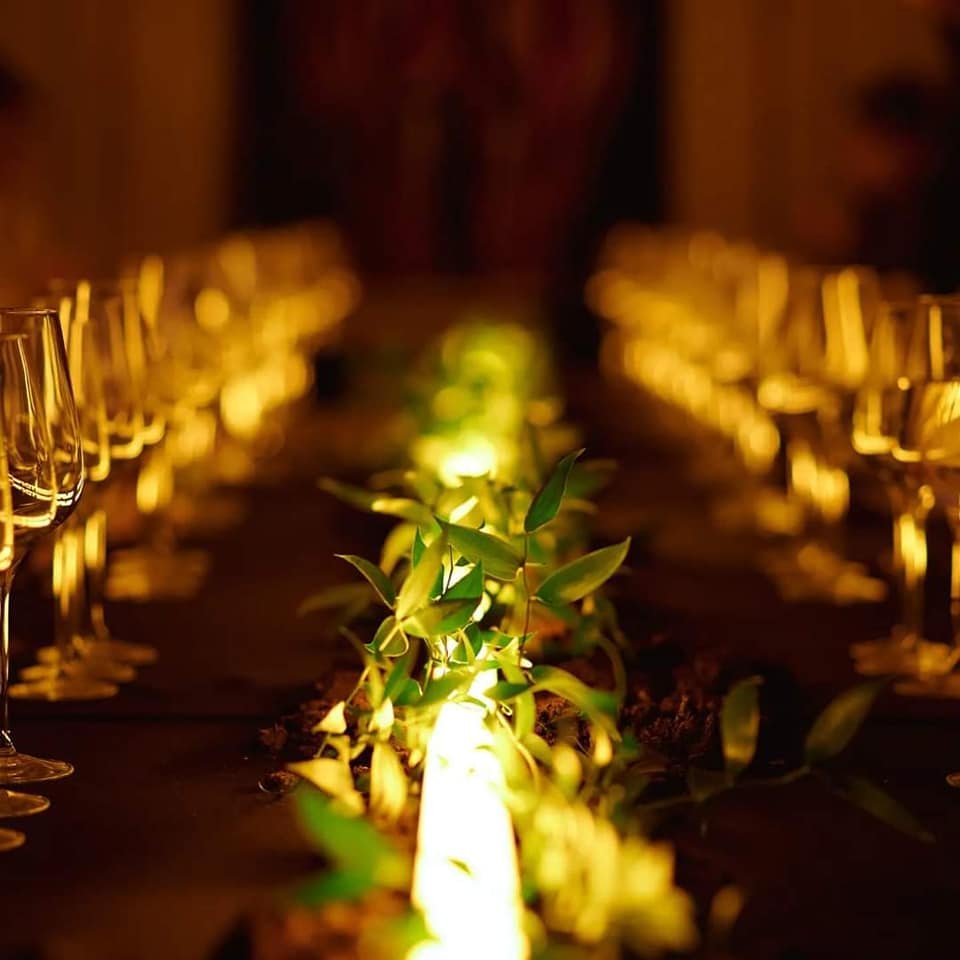

We choose a dominant colour and work with neighbouring shades, using multicoloured lighting only when the theme calls for it. Within this palette, we can plan how the lighting changes throughout the evening, according to the time, the courses being served and the performances. The changes can be subtle, but we need to know why we are making them and what we want people to notice.

We plan and position the stage, its lighting and the screens together with the person decorating the event, because they will all share the same room and appear in the same photographs. We also talk to the photographers from the outset about the atmosphere and a theatrical approach that preserves shadows, depth and the relationship between people and the space around them. At a wedding, the even lighting used for product shots or ID photos can erase the very atmosphere we have worked to create.

Leave a Comment

Previous

Arta invizibilă: designul de lumini explicat creativ

Next

The Invisible Art: Lighting Design Explained Creatively